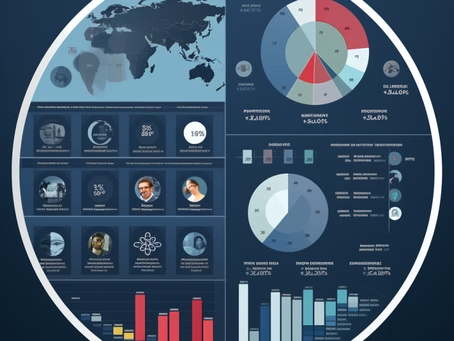
The 2000s saw a proliferation of Business Intelligence tools and solutions, making BI more accessible to a broader audience. User-friendly interfaces, dashboards, and data visualization capabilities made it easier for non-technical users to work with data and gain insights. Self-service BI became a trend, enabling users to create their own reports and perform ad-hoc analyses without relying on IT departments.
The exponential growth of data, both structured and unstructured, led to the emergence of Big Data technologies and advanced analytics in the 2010s. Business Intelligence evolved to handle vast datasets and incorporate machine learning and predictive analytics. This expansion enabled businesses to gain deeper insights, forecast trends, and make data-driven predictions.
The journey of Business Intelligence has been nothing short of remarkable. From its inception as a basic data storage and reporting tool to its current state, where it empowers businesses with data-driven decision-making capabilities, BI has continuously evolved. As technology continues to progress, we can expect even more exciting developments in the field of Business Intelligence. Embracing these advancements will be vital for businesses to stay competitive and agile in an increasingly data-centric world.